Artificial intelligence is rapidly changing the way people interact with the world. For individuals who are blind or visually impaired, these advancements are creating powerful new opportunities for independence, accessibility, and confidence.
What once seemed futuristic is now becoming part of everyday life. AI-powered assistive technology is helping individuals navigate unfamiliar spaces, identify objects, read printed text, recognize products, interpret surroundings, and even connect instantly with sighted assistance when needed.
Two of the most widely recognized examples are the apps Seeing AI and Be My Eyes.
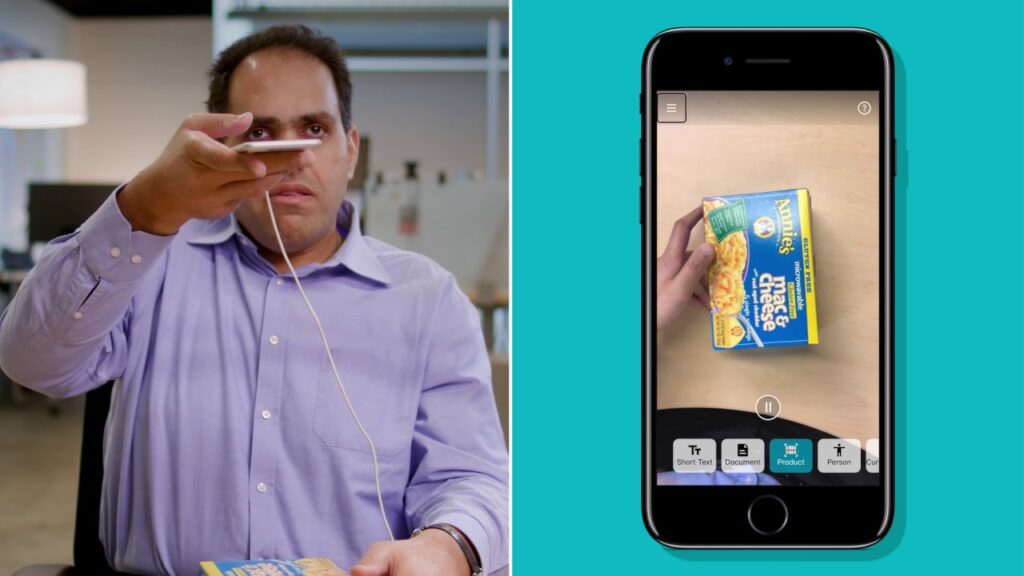
Developed by Microsoft, Seeing AI uses artificial intelligence to help users better understand the world around them through audio descriptions. Using a smartphone camera, the app can read documents aloud, identify products through barcodes, recognize currency, describe scenes, identify colors, and even provide information about people and objects in view. Tasks that many people take for granted, such as reading a menu or sorting mail, can now be completed more independently and efficiently.
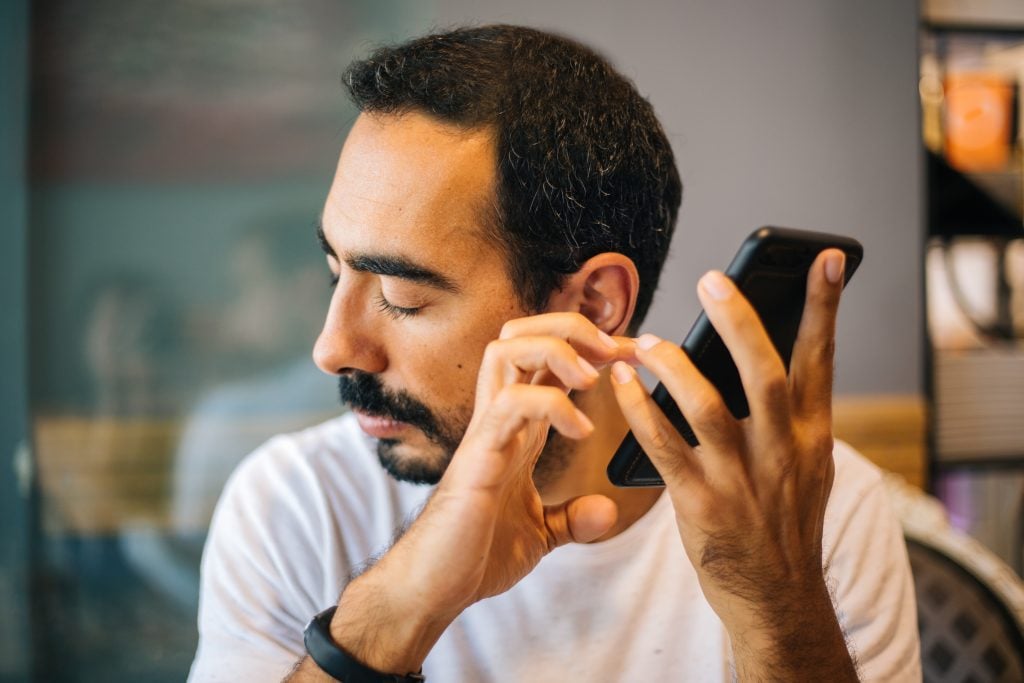
Be My Eyes takes a slightly different approach by combining technology with human connection. Through the app, individuals who are blind or visually impaired can connect with sighted volunteers or AI-powered visual assistance for help with everyday tasks. Whether identifying a household item, checking appliance settings, locating a dropped object, or navigating a new environment, the app provides immediate support through live video and AI-generated descriptions.
These tools are changing lives because they help remove barriers that once limited independence.
Artificial intelligence is also becoming more integrated into mainstream technology. Smartphones, smart speakers, wearable devices, and navigation apps now include accessibility features that support communication, mobility, education, employment, and daily living. As AI continues to evolve, these tools are becoming more intuitive, portable, and widely available than ever before.
At the East Texas Lighthouse, we see firsthand how transformative these technologies can be.
Through our Client Services programs, individuals receive hands-on training and support designed to help them confidently use assistive technology that fits their goals and lifestyle. From learning screen readers and magnification software to exploring AI-powered apps and adaptive daily living tools, our team works to ensure individuals have both the technology and the knowledge needed to thrive.
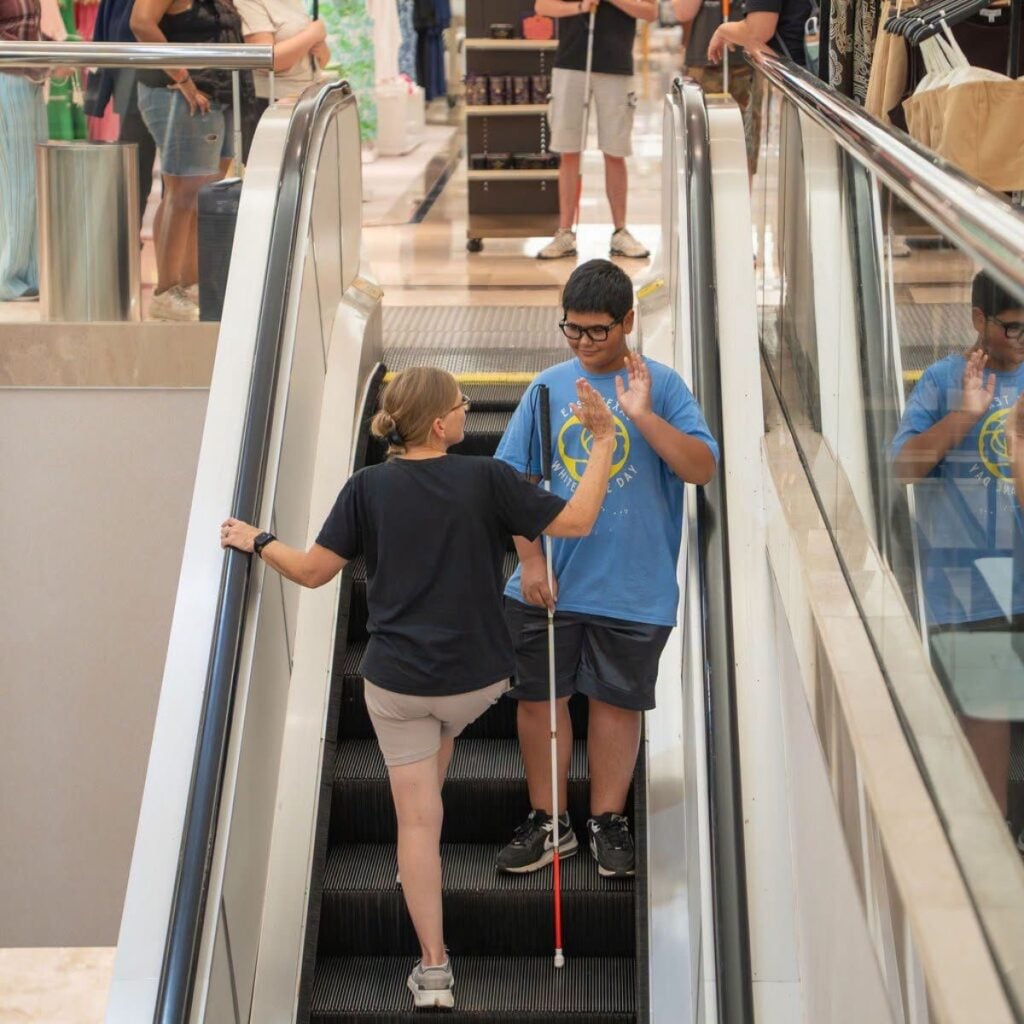
We also offer Orientation and Mobility training, independent living instruction, assistive technology education, and access to adaptive tools through our Low Vision Store. Technology alone is important, but pairing technology with education and support creates even greater opportunity.
One of the greatest challenges many individuals face is simply knowing what resources are available. New technologies are emerging quickly, and many people may not realize how dramatically the right tools can improve quality of life. That is why we remain committed to helping individuals and families discover solutions that promote confidence, independence, and connection.
For 50 years, the East Texas Lighthouse has empowered individuals who are blind or visually impaired through education, employment, training, and community support. As artificial intelligence continues to reshape accessibility, we are proud to stand beside the individuals we serve while helping them embrace new possibilities and navigate the future with confidence.
If you or someone you know could benefit from assistive technology services or support, the East Texas Lighthouse is here to help.